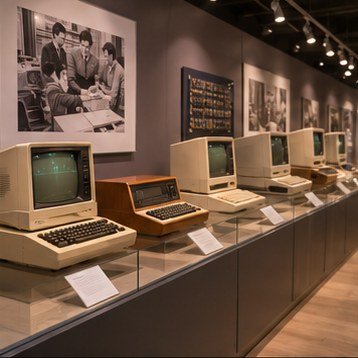
A home computer in the late 1970s or 1980s could be a learning tool, a game machine, a household budget helper, or an invitation to experiment. Many systems asked owners to learn enough about the machine to make it useful.
A computer connected to the living room
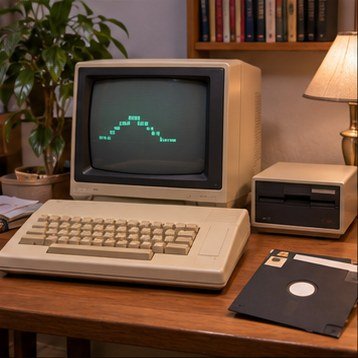
Some early home systems used a family television as a display and a cassette recorder or floppy drive for storage. The arrangement made computing more accessible, but it also meant that setup and reliability depended on cables, tape levels, television settings, and a little patience.
Learning by typing
Programming listings in magazines and manuals gave curious owners a way to understand how software worked. Typing a program line by line could teach logic, variables, and debugging. One missing character might stop a program, turning a frustrating error into a close look at the machine’s rules.
Games and creative uses
Games helped make home computers inviting, but they were only one part of their appeal. Owners used them for music, writing, simple databases, graphics, and small-business tasks. The same machine could be a toy, a classroom, and a practical tool depending on who sat at the keyboard.